Buy dern3rd.eu ?
We are moving the project
dern3rd.eu .
Are you interested in purchasing the domain
dern3rd.eu ?
domain@kv-gmbh.de · 0541-91531010
Buy dern3rd.eu ?
What is the difference between negotiating subject and negotiating basis?
Negotiating subject refers to the specific issue or topic that is being discussed or resolved during a negotiation, such as price, terms, or delivery schedule. On the other hand, negotiating basis refers to the underlying principles, values, or criteria that guide the negotiation process, such as fairness, mutual benefit, or trust. While the negotiating subject is the tangible aspect of the negotiation, the negotiating basis is the intangible foundation that shapes how the negotiation is conducted and the ultimate outcome. It is important for negotiators to align both the subject and basis in order to reach a successful agreement. **
'For negotiating or for debating?'
For negotiating, it is important to focus on finding common ground and reaching a mutually beneficial agreement. This involves active listening, understanding the other party's perspective, and being open to compromise. On the other hand, for debating, the goal is often to persuade others to your point of view through presenting strong arguments and evidence. This may involve more assertive communication and a focus on winning the argument rather than finding a compromise. Both negotiating and debating require effective communication skills, but the approach and goals are different. **


Similar search terms for Negotiating
Top-Angebote
Products related to Negotiating:
-
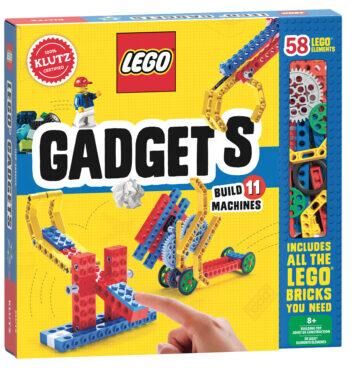
Klutz: LEGO GadgetsThis activity kit will have you building 11 machines including a gravity powered car and a wacky boxing robot. The fun doesn't stop once you've completed all of the projects in the book - open-ended prompts will inspire you to continue experimenting...24,99 $*Shipping: 0,00 $Secure redirect to the provider
-
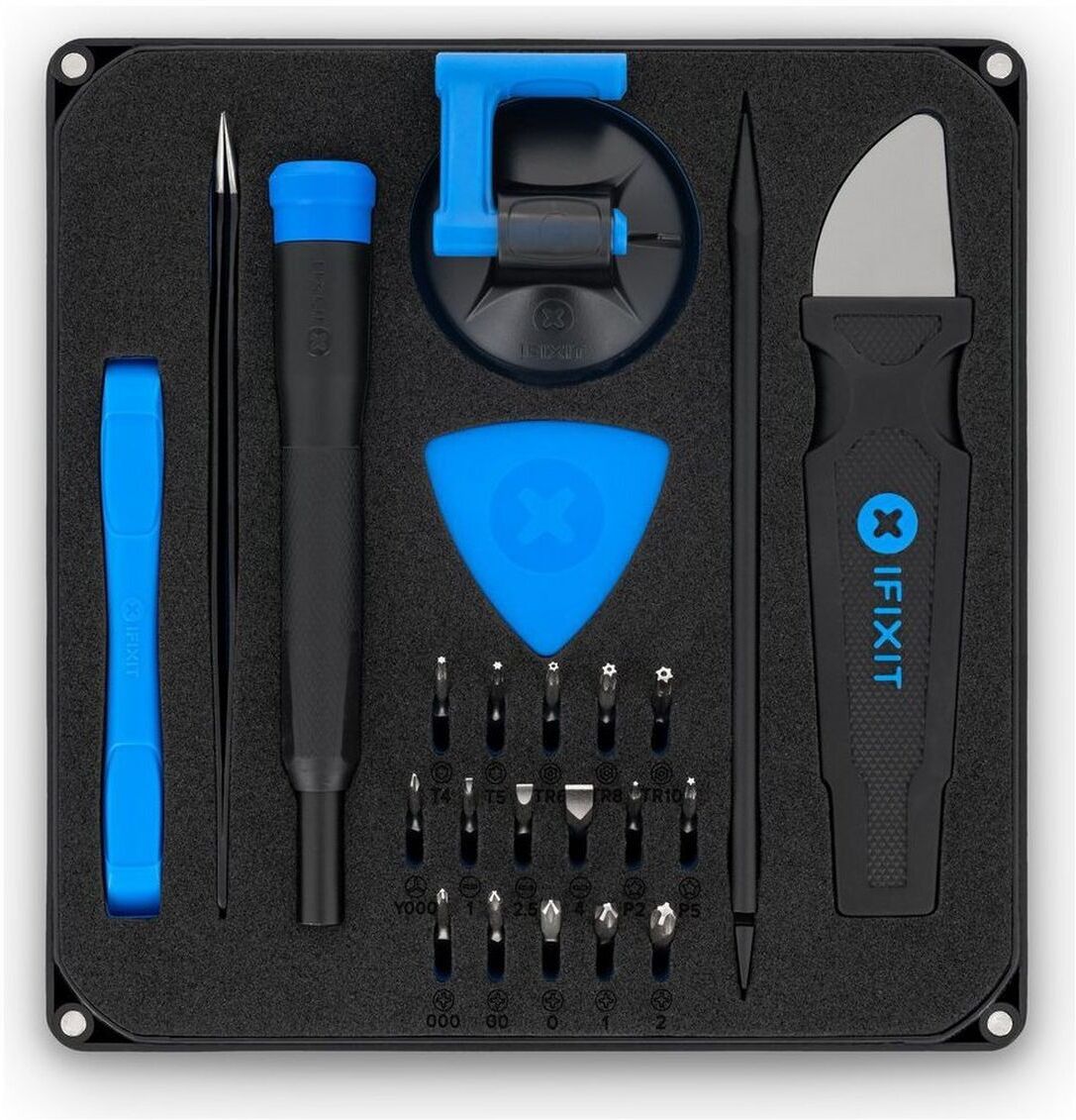
iFixit Essential Electronics ToolkitThe iFixit Essential Electronics Toolkit is a compact starter repair kit for phones, tablets, laptops, game consoles and other small electronics. It includes a precision bit driver with 16 precision bits plus the basic opening and prying tools needed for common repairs such as screen and battery replacements.40,99 £*Shipping: 0,00 £Secure redirect to the provider
-
Multisell Products Hub Magnetic Bottle Opener For Household Mineral Water Plastic Beverage Bottles And Cap Opening, Kitchen Accessories Gadgets whiteEffortless Cap Opening for Everyday Kitchens Upgrade your routine with this 1 pcs Kitchen Accessories Gadgets Magnetic Bottle Opener for Household Mineral Water Plastic Beverage Bottles and Cap Opening designed for convenience and comfort. It makes...34,97 $*Shipping: 0,00 $Secure redirect to the provider
-
HARPERCOLLINS Creative Confidence by Tom & David Kelley – Unleashing Your Creative Potential & Innovation MindsetA powerful and inspiring book from the founders of IDEO, the award-winning design firm, on unleashing the creativity that lies within each and every one of us. Too often, companies and individuals assume that creativity and innovation are the domain of the ‘creative types’. But two of the foremost experts in innovation, design and creativity on the planet show us that each and every one of us is creative. In an entertaining and inspiring narrative that draws on countless stories from their work at IDEO, and with many of the world's top companies and design firms, David and Tom Kelley identify the principles and strategies that will allow us to tap into our creative potential in our work lives, and in our personal lives, allow us to think outside the box in terms of how we approach and solve problems. ‘Creative Confidence’ is a book that will help each of us be more productive and successful in our lives and in our careers.4,95 £*Shipping: 1,99 £Secure redirect to the provider


-
Why are Turks so good at negotiating?
Turks are known for their strong negotiation skills due to their cultural values that emphasize hospitality, respect, and building relationships. They are skilled at building rapport and establishing trust with their counterparts, which is essential in successful negotiations. Additionally, Turks are known for their adaptability and creativity in finding mutually beneficial solutions during negotiations. Their ability to think on their feet and their strong communication skills also contribute to their effectiveness in negotiations. **
-
Was there a bluff in negotiating the salary?
No, there was no bluff in negotiating the salary. Both parties were transparent and honest in their discussions, leading to a fair and mutually beneficial agreement. Open communication and honesty are essential in salary negotiations to build trust and maintain a positive relationship between the employer and the employee. **
-
Is there a difference between bargaining and negotiating?
Bargaining and negotiating are similar in that they both involve discussions and compromise to reach an agreement. However, bargaining typically involves a more competitive and confrontational approach, with each party trying to get the best deal for themselves. Negotiating, on the other hand, tends to be more collaborative and focused on finding a mutually beneficial solution. In bargaining, there may be more emphasis on haggling over specific terms, while negotiating often involves a broader discussion of interests and priorities. **
-
Do you have to make compromises when negotiating?
Yes, making compromises is often necessary when negotiating. Both parties involved in a negotiation typically have different priorities and objectives, so finding a middle ground often requires making concessions. Compromises can help to build trust and goodwill between the parties, and ultimately lead to a mutually beneficial agreement. However, it's important to carefully consider which compromises are acceptable and to ensure that the final agreement aligns with your overall goals and values. **


Is there a difference between haggling and bargaining/negotiating?
Haggling typically involves a more aggressive and confrontational approach to negotiating a price, often with the goal of getting the best deal possible. Bargaining or negotiating, on the other hand, involves a more collaborative and mutually beneficial process where both parties work together to reach a fair agreement. While both haggling and bargaining involve discussing prices and terms, the main difference lies in the tone and approach used during the negotiation process. **
What salary can I demand after my training when negotiating?
When negotiating your salary after training, it's important to consider factors such as your level of experience, the industry standards for your role, and the specific skills and knowledge you bring to the table. Research the average salary for your position in your location and use that as a benchmark. Additionally, highlight any additional certifications or achievements you've gained during your training to demonstrate your value to the company. Be prepared to negotiate and be flexible, but also be confident in advocating for a fair and competitive salary based on your qualifications and the value you bring to the organization. **
Top-Angebote
Products related to Negotiating:
-
Penguin Never Split the Difference: Negotiating as if Your Life Depended on ItA former FBI hostage negotiator offers a new, field-tested approach to - effective in any situation.'Riveting' Adam Grant'Stupendous' The Week'Brilliant' GuardianAfter a stint policing the rough streets of Kansas City, Missouri, Chris Voss joined the FBI, where his career as a kidnapping negotiator brought him face-to-face with bank robbers, gang leaders and terrorists. Never Split the Difference takes you inside his world of high-stakes negotiations, revealing the nine key principles that helped Voss and his colleagues succeed when it mattered the most - when people's lives were at stake.Rooted in the real-life experiences of an intelligence professional at the top of his game, Never Split the Difference will give you the competitive edge in any discussion. PRAISE FOR NEVER SPLIT THE DIFFERENCE'My pick for book of the year.' Forbes'Who better to learn [negotiation] from than Chris Voss, whose skills have saved lives and averted disaster?' Daily Mail'Filled with insights that apply to everyday negotiations.' Business Insider'It's rare that a book is so gripping and entertaining while still being actionable and applicable.' Inc.'A business book you won't be able to put down.' Fortune7,99 £*Shipping: 2,99 £Secure redirect to the provider
-
Lush Living Finds Perforated Brick Assembly Toy Accessories With Technology Mechanical Wheels Perforated Brick Assembly Toy Accessories With Technology Mechanical WheelsEnhance Creativity with Technology Mechanical Wheels Unlock the power of innovation with our technology mechanical wheels, designed specifically for perforated brick assembly toy accessories. Whether you are a hobbyist or a seasoned builder, these...43,97 $*Shipping: 0,00 $Secure redirect to the provider
-
Klutz: LEGO GadgetsThis activity kit will have you building 11 machines including a gravity powered car and a wacky boxing robot. The fun doesn't stop once you've completed all of the projects in the book - open-ended prompts will inspire you to continue experimenting...24,99 $*Shipping: 0,00 $Secure redirect to the provider
-
iFixit Essential Electronics ToolkitThe iFixit Essential Electronics Toolkit is a compact starter repair kit for phones, tablets, laptops, game consoles and other small electronics. It includes a precision bit driver with 16 precision bits plus the basic opening and prying tools needed for common repairs such as screen and battery replacements.40,99 £*Shipping: 0,00 £Secure redirect to the provider
-
What is the difference between negotiating subject and negotiating basis?
Negotiating subject refers to the specific issue or topic that is being discussed or resolved during a negotiation, such as price, terms, or delivery schedule. On the other hand, negotiating basis refers to the underlying principles, values, or criteria that guide the negotiation process, such as fairness, mutual benefit, or trust. While the negotiating subject is the tangible aspect of the negotiation, the negotiating basis is the intangible foundation that shapes how the negotiation is conducted and the ultimate outcome. It is important for negotiators to align both the subject and basis in order to reach a successful agreement. **
-
'For negotiating or for debating?'
For negotiating, it is important to focus on finding common ground and reaching a mutually beneficial agreement. This involves active listening, understanding the other party's perspective, and being open to compromise. On the other hand, for debating, the goal is often to persuade others to your point of view through presenting strong arguments and evidence. This may involve more assertive communication and a focus on winning the argument rather than finding a compromise. Both negotiating and debating require effective communication skills, but the approach and goals are different. **
-
Why are Turks so good at negotiating?
Turks are known for their strong negotiation skills due to their cultural values that emphasize hospitality, respect, and building relationships. They are skilled at building rapport and establishing trust with their counterparts, which is essential in successful negotiations. Additionally, Turks are known for their adaptability and creativity in finding mutually beneficial solutions during negotiations. Their ability to think on their feet and their strong communication skills also contribute to their effectiveness in negotiations. **
-
Was there a bluff in negotiating the salary?
No, there was no bluff in negotiating the salary. Both parties were transparent and honest in their discussions, leading to a fair and mutually beneficial agreement. Open communication and honesty are essential in salary negotiations to build trust and maintain a positive relationship between the employer and the employee. **
Similar search terms for Negotiating
-
Multisell Products Hub Magnetic Bottle Opener For Household Mineral Water Plastic Beverage Bottles And Cap Opening, Kitchen Accessories Gadgets whiteEffortless Cap Opening for Everyday Kitchens Upgrade your routine with this 1 pcs Kitchen Accessories Gadgets Magnetic Bottle Opener for Household Mineral Water Plastic Beverage Bottles and Cap Opening designed for convenience and comfort. It makes...34,97 $*Shipping: 0,00 $Secure redirect to the provider
-
HARPERCOLLINS Creative Confidence by Tom & David Kelley – Unleashing Your Creative Potential & Innovation MindsetA powerful and inspiring book from the founders of IDEO, the award-winning design firm, on unleashing the creativity that lies within each and every one of us. Too often, companies and individuals assume that creativity and innovation are the domain of the ‘creative types’. But two of the foremost experts in innovation, design and creativity on the planet show us that each and every one of us is creative. In an entertaining and inspiring narrative that draws on countless stories from their work at IDEO, and with many of the world's top companies and design firms, David and Tom Kelley identify the principles and strategies that will allow us to tap into our creative potential in our work lives, and in our personal lives, allow us to think outside the box in terms of how we approach and solve problems. ‘Creative Confidence’ is a book that will help each of us be more productive and successful in our lives and in our careers.4,95 £*Shipping: 1,99 £Secure redirect to the provider
-
Burford Electronics Mosquito Fuzz Pedal Original - RefurbishedThis is a Burford Electronics Mosquito Fuzz Pedal. The Mosquito is a Fuzz/Octave pedal with a pretty unique sound, being closer to a fuzz more than a distortion this pedal delivers high octane fuzz sounds that will leave a sting. Here's what Burford Electronics say about the Mosquito Pedal: “A unique Octave up fuzz, which will give you pure fuzz on one twist of a knob & octave fuzz on one twist of another knob. So you can have your fuzz setting for a rich body & add octave fuzz to it or turn the fuzz down & just use the octave fuzz control for cutting lead. There is also a control called Sting, this is a tone filter that alters the voice of the octave from sharp to mellow. The octave is not over the top, on the lower register it is quite subtle, you can even play power chords and it holds together extremely well. Without that horrible modulation that is associated with some analogue octave up pedals, even some of the legendary expensive ones. Try soloing somewhere from the 8th fret upwards, it is very responsive and particularly so around 12th/15th fret and even higher. Neck and back pick ups give different sounds. Even playing positions will give different responses.”120,00 £*Shipping: 0,00 £Secure redirect to the provider
-
Keeley Electronics Aurora Digital Reverb Pedal Original - RefurbishedThis is a Keeley Electronics Aurora Reverb guitar effects pedal. Made in the USA, this pedal offers as many different reverb sounds in one pedal as Keeley could manage. As well as having three different reverb styles you get huge control of the Decay, Slapback, warmth and blend meaning you have access to the most inspiring reverb from pristine, fast reflection to ethereal spaces to deep, dark and endless caverns. Here’s what Keeley say about the Aurora; The Keeley Aurora Reverb provides the essentials guitarists are looking for when they need reverb on their pedal boards. Like that ethereal glow to the mighty Earth herself, Aurora creates a natural halo of sound in the atmosphere of your magnificent core tone.100,00 £*Shipping: 0,00 £Secure redirect to the provider
-
Is there a difference between bargaining and negotiating?
Bargaining and negotiating are similar in that they both involve discussions and compromise to reach an agreement. However, bargaining typically involves a more competitive and confrontational approach, with each party trying to get the best deal for themselves. Negotiating, on the other hand, tends to be more collaborative and focused on finding a mutually beneficial solution. In bargaining, there may be more emphasis on haggling over specific terms, while negotiating often involves a broader discussion of interests and priorities. **
-
Do you have to make compromises when negotiating?
Yes, making compromises is often necessary when negotiating. Both parties involved in a negotiation typically have different priorities and objectives, so finding a middle ground often requires making concessions. Compromises can help to build trust and goodwill between the parties, and ultimately lead to a mutually beneficial agreement. However, it's important to carefully consider which compromises are acceptable and to ensure that the final agreement aligns with your overall goals and values. **
-
Is there a difference between haggling and bargaining/negotiating?
Haggling typically involves a more aggressive and confrontational approach to negotiating a price, often with the goal of getting the best deal possible. Bargaining or negotiating, on the other hand, involves a more collaborative and mutually beneficial process where both parties work together to reach a fair agreement. While both haggling and bargaining involve discussing prices and terms, the main difference lies in the tone and approach used during the negotiation process. **
-
What salary can I demand after my training when negotiating?
When negotiating your salary after training, it's important to consider factors such as your level of experience, the industry standards for your role, and the specific skills and knowledge you bring to the table. Research the average salary for your position in your location and use that as a benchmark. Additionally, highlight any additional certifications or achievements you've gained during your training to demonstrate your value to the company. Be prepared to negotiate and be flexible, but also be confident in advocating for a fair and competitive salary based on your qualifications and the value you bring to the organization. **
* All prices are inclusive of VAT and, if applicable, plus shipping costs. The offer information is based on the details provided by the respective shop and is updated through automated processes. Real-time updates do not occur, so deviations can occur in individual cases. ** Note: Parts of this content were created by AI.